Converting to Propane Resource Hub
This propane conversion resource hub offers information on the benefits of switching to propane, equipment and tank options, installation considerations, costs and savings, safety, and more. Whether you're replacing an aging heating system, building a new home, or exploring cleaner, more efficient energy solutions, start here for trusted guidance on making the switch to propane.



Propane Conversion FAQs
The clearest sign that a propane switch is worth looking into is when your current heating oil system is getting old, costing you more in repairs than it used to, or just not keeping up with a cold New England winter the way it should. Homes with older heating oil systems that are approaching or past the 15-20 year mark are natural candidates, especially if you're already facing a significant repair bill. If you're already thinking about upgrading your heating system anyway, that's often the best time to evaluate whether propane makes sense.
Yes, there are several potential sources of financial assistance worth exploring before you start your conversion. High-efficiency propane furnaces and boilers that meet certain AFUE thresholds may qualify for federal tax credits under the residential clean energy and home improvement incentive programs, so it's worth checking what's currently available through the IRS or a tax professional.
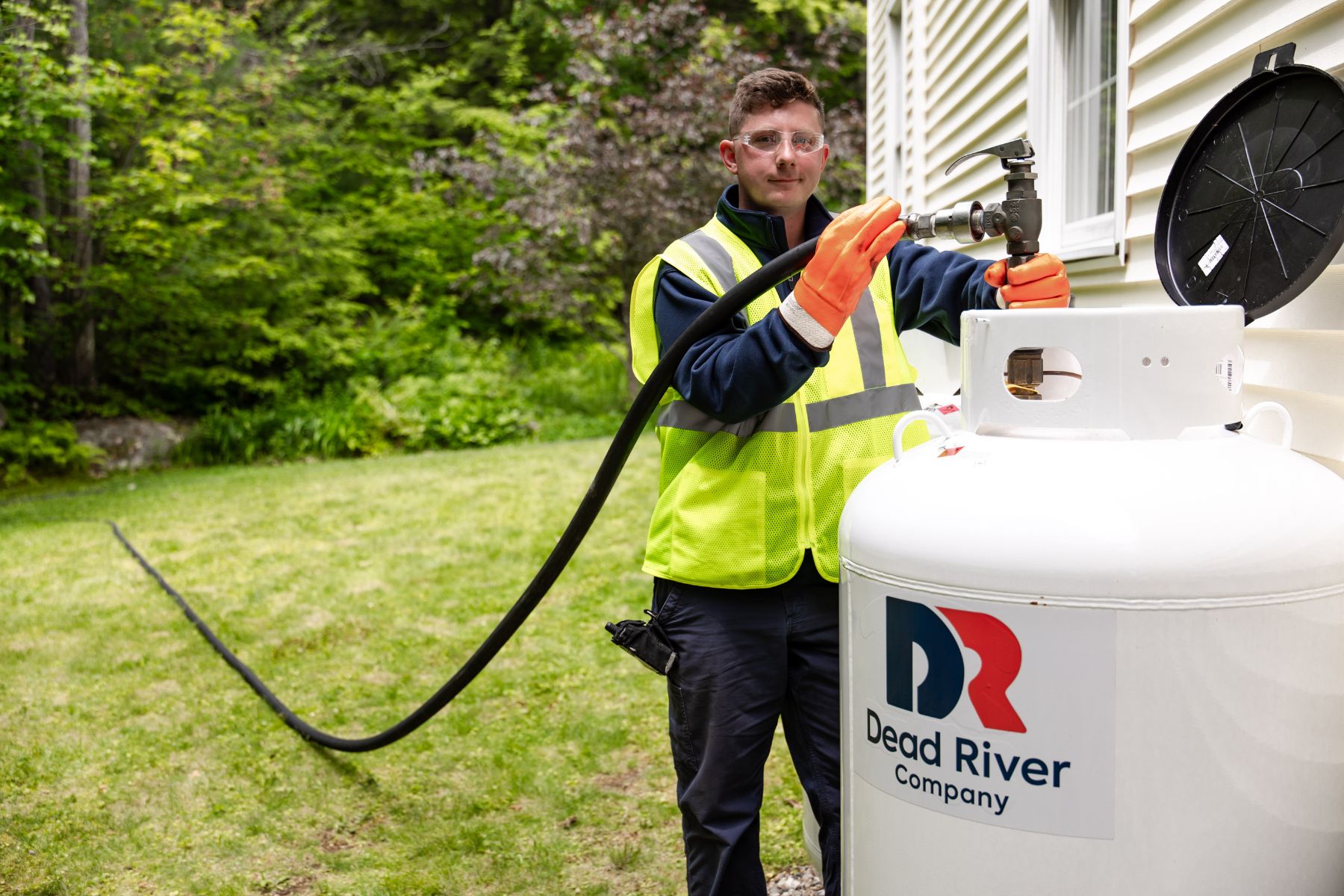
Propane equipment manufacturers sometimes offer their own rebates on qualifying high-efficiency systems, and some suppliers, like Dead River Company, will throw in additional rebates and offers or free first fills when you sign a delivery contract. These programs change frequently, so ask our team about rebates or tax credits currently available in your area so we can help you find every possible saving.
Propane is a versatile fuel that can run a range of home appliances, which is one of its practical advantages over heating oil. Common additions include propane water heaters, gas ranges and cooktops, propane dryers, outdoor grills and firepits, pool or spa heaters, and standby generators — the last of which is particularly useful in New England, where ice storms and nor'easters can knock out power for extended periods.
Propane burns cleaner than heating oil or coal, producing less carbon dioxide and fewer greenhouse gas emissions, barely any soot, and fewer particulates. That means less "gunk" building up inside your heating equipment over time. Since there is less residue, your burners and heat exchangers stay cleaner, which usually means fewer maintenance calls and a longer lifespan for your system.
Because of its efficiency and low environmental impact, propane is often used for home heating, water heating, cooking, and backup power systems. It’s an environmentally responsible choice for homeowners looking to reduce emissions while maintaining reliable, efficient energy for their homes.
