What Are the Benefits of Propane? A Comprehensive Guide to Converting Your Home's Energy Source
More homeowners across New England are taking a closer look at propane as they evaluate their heating and energy options. Unpredictable heating oil costs, aging heating systems, and the search for a more sustainable energy source are pushing more people to make the switch.
Propane offers a unique combination of efficiency, versatility, and reliable pricing that’s hard to ignore for whole-home energy needs. Unlike single-use fuels, propane can power your heating system, water heater, gas range, clothes dryer, fireplace, generator, and outdoor appliances — all from one tank.
What Makes Propane Stand Out?
Propane stands out for its efficiency and steady performance. It’s a workhorse across many home applications — from home heating and hot water, to cooking and clothes drying, propane delivers affordability, versatility, and reliability.
High Efficiency and Cost Savings
Modern propane heating systems hit efficiency ratings between 90% and 98%. Basically, almost all the fuel you’re paying for turns into heat for your home. That means less wasted energy compared to older setups.
Propane furnaces and boilers heat up fast — much faster than most electric systems — so your home gets warm quickly and the system cycles off sooner. Less waiting, less energy spent.
The actual savings will depend on your local fuel prices and how your home uses energy. Throughout New England, propane competes well with heating oil and electric resistance heat, especially if you’re upgrading to new, high-efficiency equipment.
You can also manage costs by timing propane deliveries for off-peak seasons when prices sometimes dip. Dead River Company also offers a range of payment plans to fit your lifestyle—including price protection and monthly budget plans that can help you control costs.
The Do-It-All Option for Your Home
Propane isn’t just for heating. One tank can power your furnace, water heater, gas range, dryer, fireplace, and even your backup generator.
This all-in-one approach means you’re not juggling multiple utility accounts or fuel deliveries. Your propane tank keeps everything in your home humming along in the background.
Common residential propane applications:
- Central heating (furnaces and boilers)
- Tankless and tank water heaters
- Cooking ranges and cooktops
- Clothes dryers
- Gas fireplaces and inserts
- Standby generators
- Pool and spa heaters
- Outdoor grills and patio heaters
So many people love propane for cooking because of the instant heat and the fact that it can still work when the power’s out. There’s a reason pro chefs swear by gas ranges—the flame gives a level of precision and visual control that electric options just can’t match.
Dependable Supply and Performance
With propane stored on your property — either above or below ground — you’ve got your own independent fuel supply.
When paired with a whole-home generator, your system keeps running during power outages. That’s a big deal in rural spots or places that get hit by harsh winter storms.
Propane doesn’t gel or thicken in cold weather so it keeps your home warm even during tough New England cold snaps.
Many people choose automatic delivery to make things easier. This option means Dead River Company tracks the weather and your typical usage and schedules a delivery before your tank ever gets too low.
The Cleaner-Burning Fuel
Propane burns cleaner than heating oil or coal, producing less carbon dioxide, barely any soot, and fewer particulates. That means less "gunk" building up inside your heating equipment over time. Since there is less residue, your burners and heat exchangers stay cleaner, which usually means fewer maintenance calls and a longer lifespan for your system.
Beyond maintenance, propane is officially classified as a clean fuel under the Clean Air Act and National Energy Policy Act. Because it’s a gas, a leak won’t contaminate soil or groundwater, making it a better choice for the environment.
Propane for Home Heating: Why Homeowners Are Making the Switch
Propane heating systems have a well-earned reputation for better performance in colder climates. They often bring efficiency gains and potential cost savings, especially compared to older systems. Plus, there’s the bonus of being able to power more than just your heating system.
Propane vs. Oil Heat
Propane burns cleaner than heating oil, so you get fewer emissions and less soot inside your system. That can mean less frequent cleaning and maintenance compared to an oil furnace or boiler.
For home heating systems, the higher the AFUE (Annual Fuel Utilization Efficiency) the better. Think of it as the percentage of every dollar spent that actually becomes heat; high-efficiency propane equipment can reach ratings of 90% to 98%, meaning you get more heat for your money.
Propane tanks can be installed above or below ground, giving you more options than oil tanks. And with propane from Dead River Company, you’ll enjoy high-efficiency heat, stable pricing, reliable deliveries, and expert support.
Advantages for Cold New England Winters
Propane heating systems are quick to respond when you turn up the thermostat. The fuel ignites cleanly and burns hot, so your home gets comfortable faster than other options. Plus, propane can keep your entire house powered during outages, so life stays normal—heat, lights, appliances, and all. That’s huge during winter storms and blackouts.
Consistent Heating Power
With around 2,500 BTUs per cubic foot, propane packs a punch. Your heating system can warm your space efficiently without running non-stop.
Propane equipment is built to keep temperatures steady throughout your house. You’re less likely to get those annoying hot and cold spots that sometimes come with electric baseboards or heat pumps during the coldest days.
Everyday Uses for Propane Throughout the Home
Propane isn’t just about your furnace. It covers water heating, cooking, laundry, and even adds that cozy touch with fireplaces. It’s a true whole-home solution.
Water Heating Solutions
Propane water heaters crank out hot water fast and efficiently. If your household goes through a lot of hot water, you’ll notice the difference — propane models heat up quickly and keep temperatures steady, even during back-to-back showers. It’s a smart move, especially if you’re tired of running out of hot water at the worst times.
You can pick from traditional tank-style or modern tankless propane water heaters. Tankless models only heat water when you need it, so you’re not wasting energy keeping gallons hot all day.
In bigger households, propane water heaters usually outperform electric ones, especially when everyone’s trying to shower at once. Plus, they often cost less to run compared to electric resistance heaters.
Cooking and Kitchen Appliances
Chefs love gas for a reason, and propane ranges bring that same control to your kitchen. Burners respond instantly — crank up the heat or drop it to a simmer in seconds, no waiting for electric coils to cool down.
It’s easier to get just the right temperature for searing, sautéing, or simmering. The open flame gives you immediate feedback, which just feels more natural to a lot of home cooks.
If the power goes out, most propane cooktops still work so you can keep cooking. Plenty of people who switch to propane notice the upgrade right away.
Clothes Drying and Laundry
Propane dryers get laundry done faster and more gently than electric models. Higher heat output means shorter cycles, which can save you time — especially if you’re always doing big loads of laundry.
Since propane dryers heat up quickly and keep the temperature steady, your clothes spend less time tumbling around. That’s less wear and tear, so your towels and shirts might actually last longer. And in most places, it costs less per load than running an electric dryer.
The quick drying isn’t just about convenience — it’s about keeping your items in better shape, too.
Fireplaces and Home Ambiance
Propane fireplaces and inserts give you real flame ambiance without lugging wood or cleaning up ashes. Just flip a switch or hit a remote and you’re set.
There are tons of styles, from classic logs to modern glass beads. They’re great for heating specific rooms, so you can save by only heating the spaces you use most.
Unlike wood fireplaces, propane models are low maintenance. Plus, they can often work during power outages — cozy and practical.
Propane for Standby Generators and Outdoor Living
Propane keeps things running when the power’s out and brings your outdoor spaces to life. Whether it’s backup power or backyard cookouts, propane’s got you covered.
Reliable Backup Power
Power outages aren’t exactly rare in New England, especially when winter storms roll through. A propane standby generator kicks in automatically when the grid fails, so your heat, fridge, well pump, and other essentials keep working.
Unlike portable gasoline generators, propane units hook right into your home’s propane supply. No scrambling for fuel during a storm, and no worrying about stale gas sitting around for months.
Dead River Company can help size your tank so you’ve got enough for everyday use and backup power during longer outages.
Grills, Fire Pits, and Outdoor Kitchens
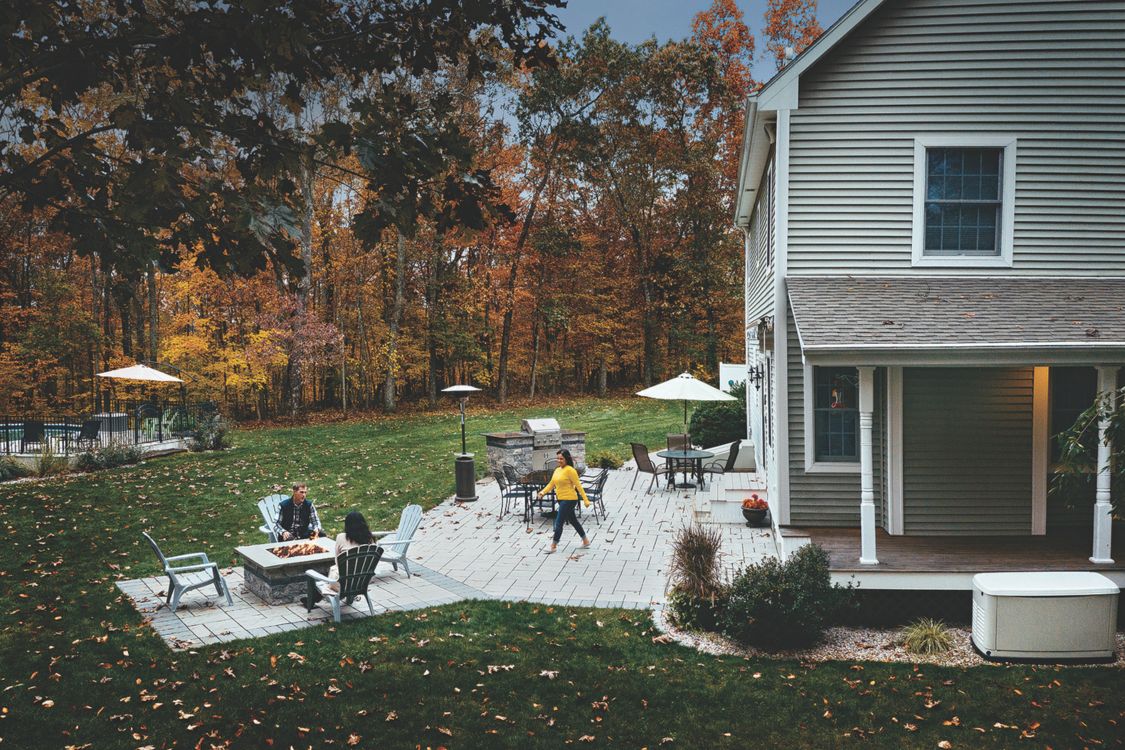
Propane grills heat up fast and give you steady, controllable temperatures — much easier than wrestling with charcoal or wood. You get to focus on the food, not the fire. Fire pits and patio heaters let you enjoy your deck or yard even when it’s chilly. They add ambiance, minus the smoke and mess you get with wood-burning options.
Outdoor kitchens are going all-in on propane for grills, burners, pizza ovens, and even fridges. Running a propane line to your patio means you’re not swapping little tanks all the time — and it’s just cleaner and easier overall.
Pool and Spa Heating
Propane pool heaters can warm water fast, letting you squeeze a few extra weeks out of your swimming season in spring and fall. They’re especially handy when the air gets chilly, since they bring pool water up to a comfortable temperature a lot quicker than electric heat pumps.
Propane does a solid job with hot tubs and spas too, hitting the target temperature no matter what the weather’s doing outside. You won’t be waiting around for hours for the water to recover between uses, which is a common complaint with some electric setups. If your home already runs on propane for heat or other uses, adding pool or spa heating is pretty straightforward. One fuel, one delivery — less hassle keeping track of different systems.
Is Converting to Propane Right for Your Home?
Propane works for plenty of households, but whether it’s the right move really depends on your current setup, budget, and how you actually use energy. There are a few situations where propane just fits better than the alternatives.
When Propane Is a Good Fit
If you’re not hooked up to natural gas lines — which is pretty common in rural and even some suburban spots in New England — propane can be a smart pick. People relying on heating oil, electric resistance heat, or just limping along with an old system might find propane offers lower emissions and better efficiency.
It’s also helpful if you’re tired of juggling multiple fuels. With propane, you can run your heating system, water heater, stove, dryer, even your backup generator, all from one tank. That’s just easier to manage.
If you like the idea of fuel independence, propane’s worth a look. The tank’s on your property, so you can decide when to refill and can keep a closer eye on your supply.
Typical Conversion Scenarios
Most people make the switch when their old oil furnace or boiler is on its last legs. New propane systems run more efficiently than the old heating oil setups.
Others switch from electric heat to save on monthly bills, especially if they’ve got electric baseboards or older heat pumps. In cold climates, propane usually costs less to operate than straight electric resistance heat. Some people start with a propane-powered generator, then end up expanding to heat and appliances too.
Building a new place or doing a big renovation? That’s probably the easiest time to set up propane. If you’re finishing a basement, adding an addition, or redoing your HVAC, it’s simpler to add propane gear during construction than to retrofit later.
Considerations for Switching Fuel Sources
You’ll need a spot for a propane tank — above ground or buried. Most homes use tanks between 120 and 1,000 gallons, depending on how much you’ll use. And because Dead River Company usually owns and maintains the tank, you don’t have to worry about upkeep.
Switching over does mean some upfront costs for equipment and installation. You’ll want to budget for the new furnace or boiler, tank setup, gas lines, and any permits. To help with the transition, Dead River Company offers promotions throughout the year—including savings on new equipment and incentives for becoming a new customer. Think about how old your current system is. If it’s already near the end of its life, switching to propane when you replace it makes a lot of sense. If it’s still working well, you’ll need to weigh the benefits against the cost of swapping it out early.
Understanding Common Concerns About Propane
Plenty of people have questions about propane — costs, safety, how it actually performs in the real world. Here’s what you should know if you’re thinking about converting to propane.
Cost Comparison and Budgeting
Propane prices shift with the market, how much you use, and where you live in the Northeast. Companies like Dead River Company usually have a few ways to pay so you’re not slammed with one giant bill in the winter.
Budget plans break your annual costs into steady monthly payments, so you’re not surprised by a big bill when it’s cold out. Prepay and automatic delivery can also make things easier, sometimes even saving you a bit.
When you’re comparing propane to oil or electric heat, don’t just look at fuel prices — check equipment efficiency. Modern propane furnaces and boilers run at 90-98% efficiency, so almost everything you pay for turns into heat. Electric resistance heat is technically efficient, but with New England’s electricity rates, it’s often pricier to run.
Propane water heaters recover faster and usually cost less to operate than electric ones. The same goes for clothes dryers — propane can dry faster, which is just more convenient.
Safety and Storage Information
Propane’s got a solid safety record when installed and handled right. There are built-in features that set it apart from other fuels.
It won’t ignite until it gets really hot — over 900°F. Plus, there’s an odorant added (ethyl mercaptan) so if there’s a leak, you’ll know right away. Tanks come with pressure relief valves, overfill protection, and other safety engineering.
Your tank sits outside — either above ground or buried. Above-ground is easier to check on, but underground tanks save yard space if you want them out of sight (they do need corrosion protection and careful installation, though).
Maintenance is pretty low-key. Dead River Company handles inspections and recertification as required by law. Just keep the area around your tank clear and pay attention if you notice any odd smells.
Maintenance Requirements
Propane systems can be easier to keep up than oil. No soot to deal with, and it burns cleaner — so your furnace or boiler doesn’t get gunked up as often.
Annual tune-ups from an expert technician will keep your propane heat running smoothly. They’ll check burners, look over the heat exchanger, test safety controls, and make sure ventilation’s good. It’s usually a quicker process than servicing oil equipment.
Water heaters, stoves, dryers — propane appliances don’t need much beyond regular appliance care. No special filters or cleaning just for the fuel.
Propane Availability in the Northeast
Propane’s easy to get pretty much everywhere in New England and the Northeast. The infrastructure’s been around for decades, so supply is steady.
Dead River Company runs regular delivery routes across Maine, New Hampshire, Vermont, and Massachusetts. Rural homes that can’t get natural gas have relied on propane for ages, so the supply network is solid.
Next Steps
Propane’s got a lot going for it — efficiency, versatility, and reliability — especially if you’re thinking about moving away from heating oil or electric heat. It can handle pretty much everything: heating, hot water, cooking, backup power, all from one tank.
But deciding to switch? That’s personal. Your current system, the way your home is set up, your goals, your budget — it all factors in.
Thinking about propane? Here’s what you might do next:
- Compare propane to your current fuel — look at detailed cost and efficiency info for your area
- Request a free estimate so you know what installation and potential savings could look like
- Schedule a consultation with a Dead River Company specialist who can check out your place and answer your questions
- Check out financing options that might be available for your conversion
Dead River Company serves homes all over the Northeast with propane delivery, installs, and ongoing service. Their team can walk you through the switch and help figure out if it’s the right move for you.
Whether you’ve got an old system, tired of high electric bills, or building from scratch, there’s info and support to help you make the call about your home energy.
Reach out anytime if you want to talk about converting to propane or if there’s something we didn’t cover here.
Whether it's your fuel, your equipment, or your service needs, our goal is always the same: lasting comfort and peace of mind. You can count on the experts at Dead River Company to show up when you need us, because New England weather doesn't quit, and neither do we. Have more questions? Contact us to talk to a local expert.
