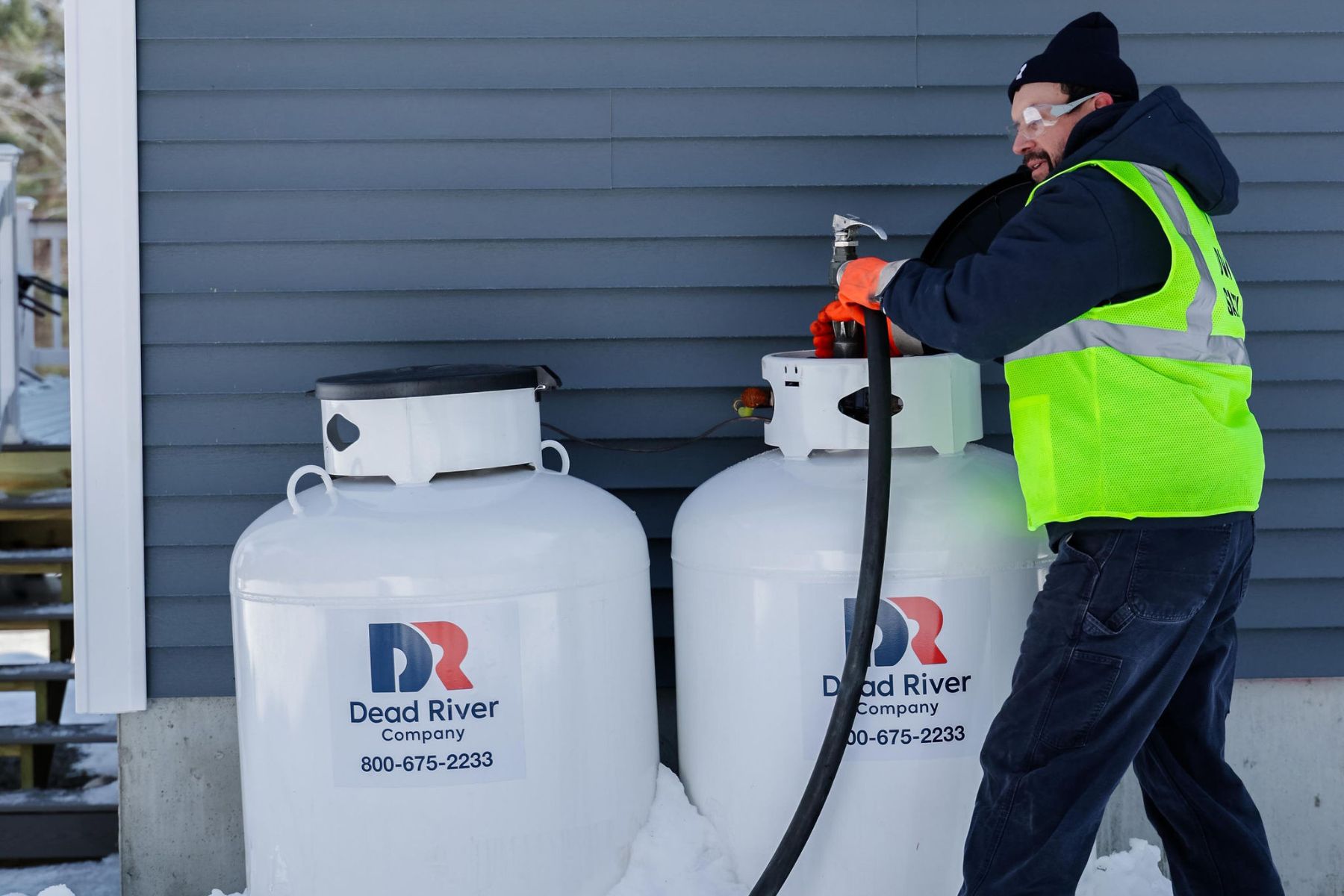
Propane Tank Installation: A Homeowner's Guide to Safe Setup in New England
Switching to propane or upgrading your system is a big decision for New England homeowners. It can change how your home heats, how efficiently it runs, and how cozy it feels in those cold winter months. Propane tank installation is where it all starts, and knowing what’s involved helps you plan ahead and sidestep headaches.
There’s more to it than just dropping a tank in the yard. You’ve got to pick between above-ground or underground, figure out what size makes sense for your energy use, and work with experts like Dead River Company who know the local weather and safety codes. The tank connects straight to heating equipment, water heaters, and appliances, so a solid installation from a company that gets it right the first time sets you up for dependable service down the road.
Whether you’re installing propane for the first time or switching from another fuel or provider, a little know-how makes the process less stressful. Site evaluation, setup, and future service all shape how well your energy solution fits your home and your life.
Essential Steps & Considerations for Propane Tank Installation
If you want your propane system to work right, you’ve got to plan, size things correctly, and prep the site. Each choice affects safety, performance, and, ultimately, your peace of mind in the long run.
Site Review and Choosing the Right Tank Placement
The first step in our process is a thorough site review. We’ll help you nail down the perfect spot by weighing local safety codes against the practical needs of your property. Our experts look for a location that meets several key criteria:
- Safety Clearances: Placement must follow strict rules. This includes keeping the tank a safe distance from buildings, property lines, and any potential ignition sources (like a central A/C unit).
- Above-Ground Stability: These tanks typically need at least 10 feet of clearance from structures and must sit on a solid, level base that won’t shift during New England’s intense freeze-thaw cycles.
- Underground Considerations: For buried tanks, we evaluate soil quality, drainage, and utility locations to prevent shifting or corrosion over time.
- Year-Round Access: The spot has to be accessible for our delivery trucks 365 days a year. That means we look at terrain and driveway access to ensure we can reach you even after a heavy snowfall.
While local codes vary slightly across Maine, New Hampshire, Vermont, and Massachusetts, our team will handle all that red tape. We’ll suggest a spot that makes sense both "by the book" and for your everyday life, ensuring a setup that is safe, legal, and serviceable.
Selecting Between Above-Ground and Underground Tank Options
Choosing between above-ground and underground tanks comes down to looks, property layout, and budget. Above-ground tanks are visible but they’re also less expensive to put in and easier to take care of. They sit on a pad or stand, and you can paint them if you want them to blend in a bit.
Underground tanks are mostly out of sight, just a dome and fill cap show. They can look cleaner and are shielded from the weather, but you’ll pay more upfront for excavation. You also need corrosion protection systems to keep them from rusting out over time.
Both types work well if installed right. Above-ground tanks are easy to inspect and can last 30 years or more with some care. Underground tanks can go the distance too, but you’ll need a trained inspector to check their coatings now and then.
Determining Correct Tank Sizing for Your Home
Tank size depends on how much propane you’ll use. If it’s just for hot water, a 120-gallon tank may be enough. If you’re running heat, hot water, and cooking, and laundry on propane, you’ll need two 120-gallon tanks or one larger tank depending on the size of your home.
Bigger homes with whole-house propane or generators might need even more. The right size means fewer deliveries, better planning, and no running out when it’s freezing outside.
Dead River Company’s experts will look at your square footage, insulation, thermostat habits, and how many people live there. We also factor in how brutal the winters get in your area. It’s usually better to go a bit bigger than too small. Nobody wants to call for refills all the time.
If you’re buying (not leasing) your tank, you might lean toward a larger size to potentially get better pricing on bigger fills.
Planning for Appliance Integration and Propane System Design
Getting a propane tank in place means thinking through your appliances and overall system design. All the propane appliances such as a furnace or boiler, water heater, range, dryer, or fireplace should be ready to go before the tank is installed.
We’ll run lines from the tank to each appliance, size the regulators for proper pressure, and check for leaks before turning anything on. We’ll also plan out the system so pipe sizes and pressure match your total BTU needs, making sure everything works smoothly.
If you’re switching from another fuel type, you’ll need to coordinate the timing of your tank installation with your new heating equipment installation. Moving from oil heat, for example, means putting in new propane-compatible systems before the tank is hooked up. If you’re a Dead River Company customer, we’ll take care of coordinating this for you.
If you’re just switching to Dead River Company from your current provider for your propane, things are simpler. The new tank connects to your existing setup once the old tank is gone, and you’re back in business pretty quickly.
Professional Installation, Safety, & Long-Term Service
Propane tank installation isn’t a DIY job. It takes trained experts following strict safety steps, and a supplier you can count on. These pieces all work together to keep your system running safely and smoothly for years.
Why Licensed Professionals Ensure Safe Installation
Licensed installers, like ours at Dead River Company, know gas lines, pressure testing, and all the local codes. We’ll check the site for proper clearances, set the tank on a stable base, and handle leak testing, grounding (for underground tanks), and venting per the manufacturer’s specs. We’ll also set up shutoff valves, pressure regulators, and emergency controls to protect your home if anything goes wrong.
Trying to install a propane tank yourself is risky. Think gas leaks, fire hazards, or code violations that could void your insurance. Leave it to the experts; it’s smarter and safer.
Understanding Propane Safety and Leak Prevention
Safety starts with good installation and continues with regular checks and a little homeowner vigilance. Dead River Company adds an odorant (mercaptan) that smells like rotten eggs, so leaks are easy to spot. If you ever catch that smell, leave the house, don’t touch any switches, and call 911 right away.
Modern tanks have features like pressure relief valves, overfill protection, and corrosion-resistant materials. It’s a good idea to keep an eye out for rust, dents, or overgrown vegetation that could block access. Service technicians will check these things during maintenance visits.
Some basic safety habits:
- Keep the area around the tank clear of debris and flammable items
- Book annual inspections with qualified techs
- Install propane detectors near gas appliances if you want extra peace of mind
- Don’t store anything flammable near the tank or gas lines
Coordinating Fuel Delivery and Choosing a Propane Supplier
Choosing a propane supplier is about more than just the price per gallon; it’s about the support behind the fuel. We offer the flexibility and reliability you need to stay comfortable year-round:
- Automatic Delivery: We track your usage and local weather to schedule deliveries before you run low.
- Will-Call: You monitor your own tank gauge and call us or order online when you're ready for a fill.
- Full-Service Support: When you choose a full-service fuel provider, like Dead River Company, you get the peace of mind knowing you’re covered for anything winter throws your way, 24/7/365.
Switching Your Fuel or Equipment: What to Expect With Dead River Company
If you’re switching to Dead River Company from oil, electric, or another propane provider, we’ll walk you through every step to ensure the transition is seamless.
- Professional Assessment: We start by reviewing your property, evaluating your current heating equipment, and estimating your fuel needs to suggest the best tank placement.
- Hassle-Free Transition: If you’re switching from another propane company, we handle the installation of your new tank and coordinate the removal of any leased equipment.
- Expert Setup: We manage the permits, schedule the installation, and handle any equipment swaps, whether you're adding a new furnace, water heater, or backup generator.
- Safety & Reliability: Before your first fill, our team tests every connection and appliance to ensure they meet our safety protocols.
Dead River Company coordinates everything, from the tank to the service plan, so you’re never left in limbo. Our goal is to make your upgrade straightforward and worry-free.
Whether it's your fuel, your equipment, or your service needs, our goal is always the same: lasting comfort and peace of mind. You can count on the experts at Dead River Company to show up when you need us, because New England weather doesn't quit, and neither do we. Have more questions? Contact us to talk to a local expert.
