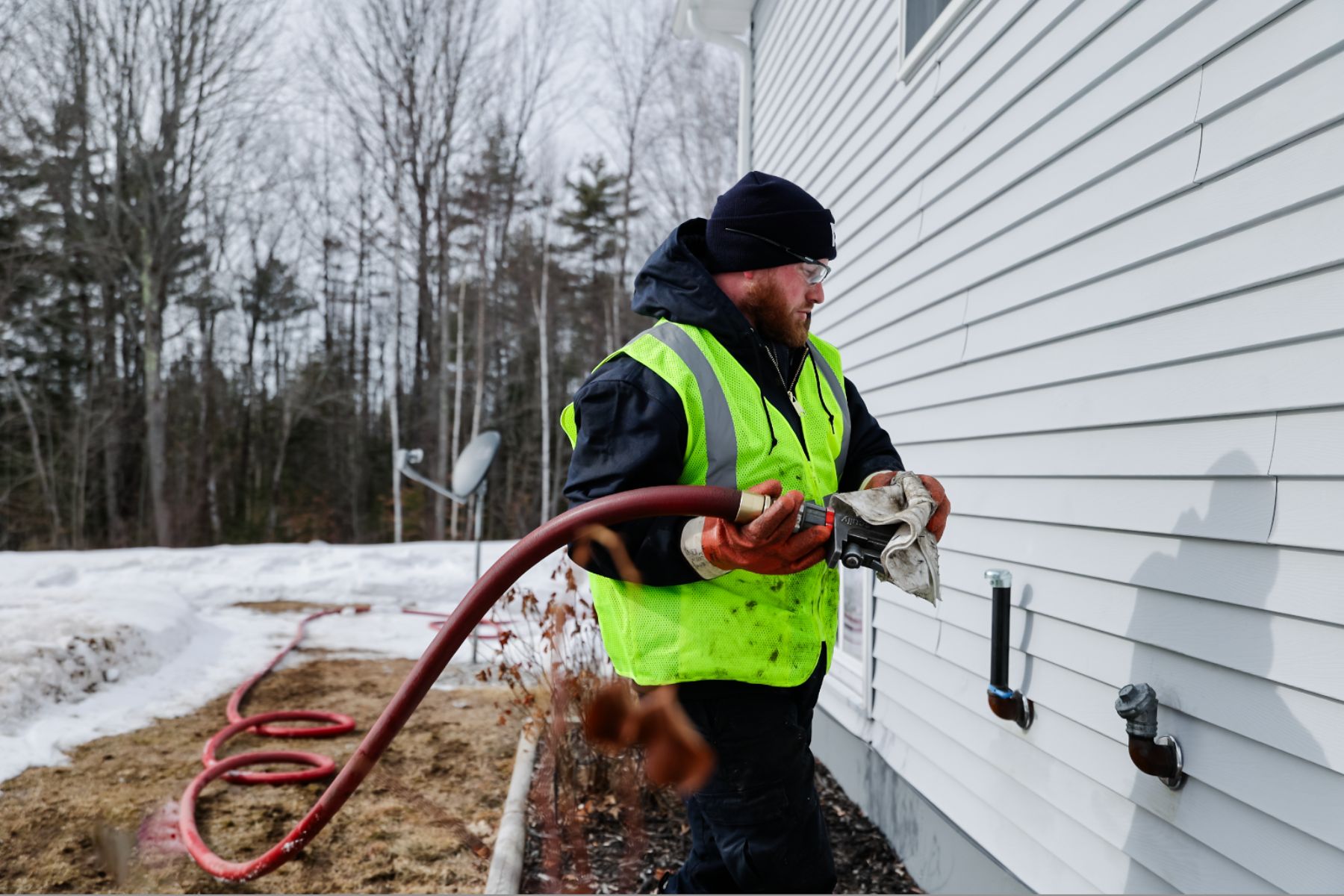
Automatic vs. Will-Call Heating Oil Delivery: Choosing the Right Option for Your New England Home
Figuring out how you want to handle heating oil delivery might seem minor, until you’re staring down a New England winter and realize just how much it affects your comfort and peace of mind. With the cold stretching for months and heating systems chugging away, the way you keep your tank filled can make a real difference. You’ve got two options: will-call delivery, where you’re in charge of monitoring your tank gauge and ordering fuel, or automatic delivery, where your provider keeps tabs on your usage and schedules deliveries so you don’t have to think about it.
Each approach gives you a different balance of control, convenience, and responsibility. The best fit really depends on your preferences and how much attention you want to give your heating system.
Knowing the ins and outs of these delivery methods, and the kinds of situations where one might shine over the other, can help you avoid that dreaded moment of a mid-winter runout. This guide digs into what sets will-call and automatic delivery apart, who’s going to get the most out of each, and why planning ahead matters even more when temperatures in New England plummet and demand for fuel spikes.
How Will-Call and Automatic Heating Oil Delivery Works
Both will-call and automatic delivery get heating oil to your house, but the difference is all about who’s paying attention to the tank and who’s responsible for making the call.
Understanding Will-Call Heating Oil Delivery
Will-call puts you in the driver’s seat. You keep an eye on your tank, usually ordering when it drops to about a quarter full, and you decide when to call or order online. Some people like this hands-on approach because it lets them have more control.
During winter, a lot of will-call customers check their tank every week. It’s a bit of a routine, and for some, it’s just how they like to manage things. The catch? It’s on you to monitor your fuel levels, and if you forget, you could be scrambling to get an emergency delivery before you run out. Especially if there’s a storm or cold snap on the way and demand is high.
Understanding Automatic Heating Oil Delivery
Automatic delivery hands the responsibility off to Dead River Company. We’ll keep tabs on your usage, factoring in things like your home’s size, how well it’s insulated, your thermostat habits, and what the weather’s been doing. Using all that, we’ll figure out when you’ll need more heating oil and set up a delivery before you get close to empty.
You don’t have to check the tank or remember to order, which is especially nice when winter’s in full swing and you’d rather not think about it.
Heating Oil Tank Monitoring and Delivery Scheduling
Most heating oil tanks use float gauges you can check yourself. In some cases smart tank gauges are available for even more convenient tracking.
How often you need oil depends on all sorts of things: outdoor temps, how drafty your house is, and how warm you like it. For example, a decent-sized, well-insulated home in New Hampshire might use 600-900 gallons in a season, but older or leakier homes can go through much more. Suppliers like Dead River Company track these patterns to plan deliveries and keep things running smoothly.
Comparing Benefits, Risks, & Best-Fit Scenarios for New England Homes
Which delivery plan works best? It comes down to your lifestyle, how tight your budget is, and how much you want to think about your tank. Will-call and automatic delivery each have their perks, depending on whether you’re after convenience or want to keep a closer eye on costs and timing.
Convenience and Peace of Mind
Automatic delivery takes the whole “did I check the tank?” question off your plate. Your supplier figures out when you’ll need heating oil and sets up deliveries so you don’t have to worry. This is a lifesaver for busy people, second-home owners, or anyone who’d rather not add one more thing to their winter to-do list.
Will-call, on the other hand, is for people who like to be in charge. You check the gauge, call when you’re ready, and pick the delivery time that works for you. If you enjoy managing the details, this can feel just right.
Managing Costs and Heating Oil Prices
Will-call lets you play the market. Heating oil prices fluctuate daily. With will-call, you decide when to place your order, so if you don’t like the current price, you can wait to see if prices drop and save yourself some money. The drawbacks to this strategy include the time you spend watching and worrying about oil prices, and the risk of running out of fuel while you wait for a price drop. With will-call, you can also decide how many gallons you order. Most providers have 100-gallon minimums, but when home heating oil prices are high, ordering 100 gallons instead of filling a 275-gallon tank can help you avoid a large winter bill. Just be sure to keep monitoring your tank to plan your next delivery.
Automatic delivery often qualifies you for options like price-cap programs, which can protect you from sudden price spikes and keep your budget steady even if heating oil costs jump.
Neither way is a guaranteed money-saver. The price you pay is always at the mercy of the market, the weather, and how well you time your orders.
Reducing Runout Risk During Harsh Winters
New England’s unpredictable temperature swings can catch anyone off guard and running out of heating oil mid-winter means no heat, possible damage to your system and home if pipes freeze, and the stress of scrambling for emergency service.
Will-call customers have to stay sharp, especially during cold spells when heating oil burns faster. If you miss your order window, there’s a storm or a holiday, you could be left in the cold. Automatic delivery seriously cuts down on runout risk. If you travel a lot or manage rentals, automatic delivery is probably the safer bet for avoiding nasty surprises.
Choosing the Right Delivery Plan for Your Needs
If you want to stay warm all winter without thinking about your tank, automatic delivery is tough to beat. It’s a “set it and forget it” deal, and for a lot of people, that’s worth it.
Will-call is a good fit if you’re home most of the time, don’t mind checking the tank, and trust yourself to order before things get dicey. Retirees or people who like to keep a close eye on household expenses often prefer this approach.
Most suppliers let you switch to automatic delivery whenever you want, so if you change your mind, you can always switch. Some people start with will-call and then move to automatic as winter approaches or life gets busier.
In the end, whether you go will-call or automatic, it’s all about what matters most to you. For some, that’s control over when and how much fuel you order; for others, it's the convenience of not having to think about heating oil.
Whether it's your fuel, your equipment, or your service needs, our goal is always the same: lasting comfort and peace of mind. You can count on the experts at Dead River Company to show up when you need us, because New England weather doesn't quit, and neither do we. Have more questions? Contact us to talk to a local expert.
