A Homeowner's Guide to Recognizing When It's Time to Replace Your Heating Equipment
Your heating equipment works hard to keep your home comfortable through harsh New England winters. When it's running properly, you probably don't think about it much. But when problems start appearing, knowing whether to repair or replace it can save you money, keep your family safe, and prevent emergency breakdowns during the coldest days of the year.
Most home heating systems have a lifespan of 15 to 20 years, and there are several clear signs that replacement is the smarter choice. Whether you're dealing with higher energy bills, more frequent service calls, noticing some rooms stay cold while others overheat, or simply wondering if your aging system is still up to the job—recognizing those early indicators can help you plan ahead.
This guide will walk you through the most common warning signs, help you make an informed decision, and avoid being left in the cold by a complete system failure.
How to Tell If Your Heating System is Struggling to Keep Up
Rising Fuel Bills and Decreasing Efficiency
If your heating bills are going up but the price of fuel and your usage patterns haven’t changed, that means your equipment is working harder to produce the same amount of heat. When internal components wear out, they can’t transfer heat as well as they used to. That’s not just inefficient—it’s expensive.
Older systems naturally lose efficiency over time. A propane or heating oil system that once operated at 85% AFUE (Annual Fuel Utilization Efficiency) might drop to 70% or lower after years of service. That means you're paying 30 cents of every dollar in fuel that goes to waste rather than heating your home.
Modern heating systems can hit AFUE ratings of 95% or higher. If your current unit is over 15 years old and your bills are climbing, the monthly savings from a new high-efficiency furnace or boiler can actually offset the replacement cost within a few years.
Constant Repairs and Ongoing Maintenance Costs
If you’re calling for repairs every time the temperature drops, your system is reaching the end of its reliable service life. At this stage, repair costs start to add up quickly and often exceed the value of keeping an aging unit running.
A reliable rule of thumb is the 50% rule: if a single repair costs more than half the price of a new system, or if your total repair costs from the last two years are approaching that mark, replacement is the smarter financial choice. It’s also good to keep in mind, parts for systems become harder to find and more expensive as manufacturers discontinue models.
You might notice your furnace "short cycling"—that’s when it turns on and off repeatedly without ever completing a full heating cycle. This pattern often indicates failing controls, a cracked heat exchanger, or sizing issues. Repairing these issues is often just a temporary fix for a system that can no longer do the job.
Uneven Heating, Cold Spots, and Comfort Issues
If some rooms won't warm up or you’re feeling cold spots throughout the house, your system likely can't distribute heat the way it used to. While leaky or undersized ducts can be part of the problem, an aging furnace or boiler often just lacks the power to push heated air or water through your home's distribution system.
An old heating system can also lead to more dust moving through your home. When a furnace struggles to maintain proper airflow, it can pull in dust through gaps and spread it from room to room. Upgrading to a new system with properly sealed ductwork and better filtration is the most direct way to improve both your comfort and your home's air quality.
Unusual Noises or Odors Coming from Your System
Strange sounds from your furnace or boiler signal mechanical problems that often get worse rapidly. Banging, popping, or screeching noises indicate loose or failing components, while rumbling from a boiler suggests sediment buildup that reduces efficiency and can lead to tank failure.
Persistent odors require immediate attention. A metallic or burning smell can point to overheating parts or an electrical issue. If you smell gas or a rotten-egg odor near your furnace, you need to leave the house immediately and call 911. Rattling or whistling sounds often point to airflow problems, cracked heat exchangers, or failing blower motors. A cracked heat exchanger in a furnace can leak carbon monoxide into your home, creating a serious health hazard.
When Your System Becomes a Serious Safety Risk
Safety issues demand immediate attention and often make replacement the only responsible choice. Watch for these safety warning signs:
- Yellow burner flame instead of blue, indicating incomplete combustion
- Soot buildup around the furnace or boiler
- Persistent headaches, dizziness, or flu-like symptoms when the system runs
- Increased humidity or condensation on windows
- Rust or corrosion on vent pipes
A gas flame that is yellow or orange means your system isn't burning fuel properly, which creates carbon monoxide. If you've installed carbon monoxide detectors and they alarm when your heating runs, leave the house and call 911 immediately. In these situations, replacement isn't just smart—it's essential for your family's safety.
Get a Professional Evaluation From Dead River Company
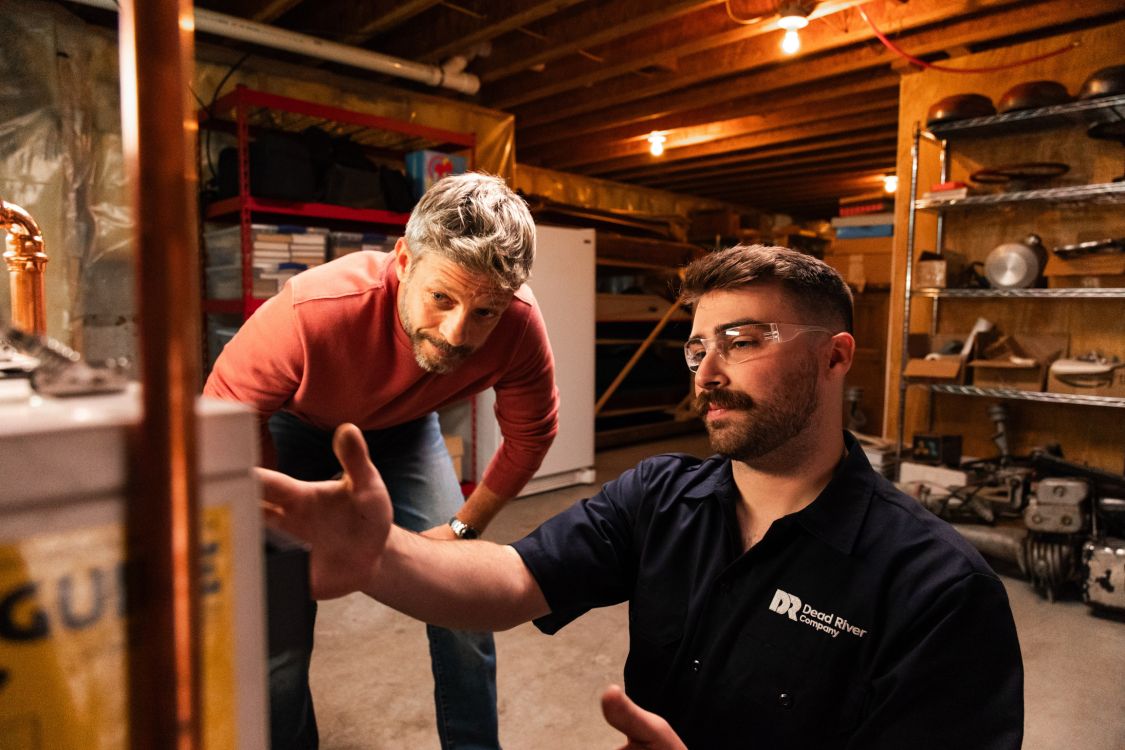
A qualified technician from Dead River Company can evaluate your heating system based on your home’s specific needs. We look at the whole picture—not just the age of the system, but how it’s actually performing and what it’s costing you to run.
During a thorough evaluation, the technician examines your current system's condition, measures its efficiency, and checks for safety issues. They'll also assess your home's insulation, ductwork, and overall heating needs to recommend the right replacement size and type.
A trustworthy HVAC professional will explain your options, provide detailed estimates, and help you understand the return on investment for different systems.
Whether it's your fuel, your equipment, or your service needs, our goal is always the same: lasting comfort and peace of mind. You can count on the experts at Dead River Company to show up when you need us, because New England weather doesn't quit, and neither do we. Have more questions? Contact us to talk to a local expert.
